Earthworms are small, soft-bodied creatures. But their impact on soil ecosystems is enormous. In agricultural and natural settings alike, earthworms play a critical role in maintaining soil health and fertility. This article explores how earthworms interact with soil and crops, and how different farming methods affect their populations.
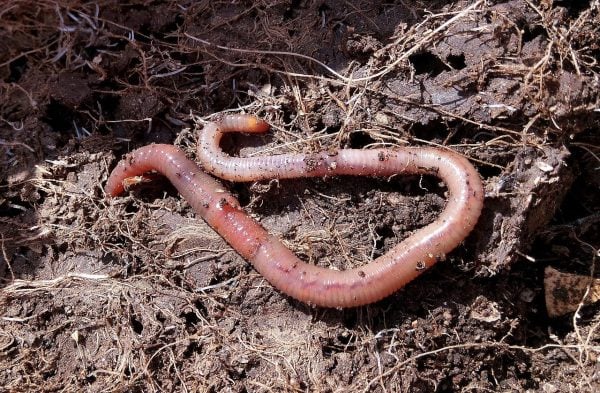 Are Earthworms Common to All Soils?
The simple answer: No.
Earthworms are widespread, but not universal.
Distribution Factors:
Types of Earthworms:
Regional Variation:
Earthworms are soil engineers.
Their actions physically reshape the soil. This directly improves the environment for plants and other organisms.
Key Impacts on Structure:
Benefits of Improved Structure:
Earthworms influence both the biological and chemical properties of soil.
Nutrient Cycling:
Microbial Activity:
Soil pH Moderation:
Organic Matter Decomposition:
Earthworms are key allies to farmers.
Direct Benefits:
Yield Impact:
Soil Resilience:
Natural Pest and Disease Control:
Modern intensive farming often harms earthworm populations.
Primary Threats:
Resulting Effects:
Yes. Organic systems tend to support and enhance earthworm populations.
Why?
Scientific Support:
Conclusion: Earthworms as Partners in Sustainable Farming
Earthworms are unsung heroes of agriculture.
Their ability to improve soil structure, enhance nutrient cycling, and support crop health makes them indispensable. As global agriculture seeks more sustainable paths, protecting and promoting earthworm populations should be a priority.
Key Takeaways:
By treating soil not just as dirt, but as a living system — and earthworms as critical players — we can build healthier farms, stronger ecosystems, and a more resilient food system.
 What is our Microp 4XL product all about? How does it work and how can you use it for your own crops? We hope this blog post can answer your questions about this essential agriculture product.
What is Microp 4XL?
Microp 4XL is a biofertilizer that works to improve both the physical and chemical properties of your soil, to better support croplife. Unlike cover crops that must be planted and plowed down to improve soil, Microp 4XL provides all the traditional benefits of a green manure crop without taking land out of production. Instead, Microp 4XL can be planted as a companion microbial crop, improving soil right as your cash crop is growing. The biochemistries produced by the cyanobacteria and microalgae in our product work to increase available soil nitrogen, soil aeration, aggregation, and water holding capacity. Microp 4XL is an ecologically sound means of improving crop yields and soil structure and is approved for use in organic production.
How does Microp 4XL work?
Microp 4XL is composed of two types of microorganisms. Cyanophytes, or blue-green algae, and chlorophytes, or grass-green algae and both are significant to the soil biology. These single-celled organisms are photosynthetic and provide myriad benefits for any soil. The microbes work in a number of ways:
Microp 4XL can be used conceptually as a companion green manure or a cover crop. It can be used as a substitute or addition to compost or other fertilizers. Unlike compost, the microbes in Microp work directly to produce beneficial biochemistries, which means they work to produce soil benefits without a decomposition period.
Our research shows that Microp 4XL improves soil tilth and decreases erosion, compaction, and crusting. In one study, corn crops showed an average increase of 9 bu./acre. In another field trial with organic sugar cane, plots treated with Microp 4XL had over 25% higher yield when compared to untreated plots. Microp 4XL acts as a perpetual input for maintaining maximum crop yields.
How do you use Microp 4XL?
Microp 4XL is easy to use! The product is composed of no less than 640 million live plant cells per gram, packaged in powder form. Mix the dried microalgae powder with water and apply to the soil surface using conventional spray equipment. Circle, wheel-line, hand-line, and flood irrigation systems may also be used. The product does not need to be incorporated. Apply Microp 4XL before or after planting, during the commercial crop’s growing cycle, or after harvest. The standard application is one ounce of the product per acre (70 grams per ha.)
This application can be repeated one to four times per year depending on crop conditions. Microalgae colonize the upper one inch (2.5 cm.) of soil through rapid cell division. With Microp 4XL, this colonization reaches maturity in about 40 days under average field conditions. It is capable of maintaining this high level for an additional 30-60 days if soil conditions support the colony.
At Soil Technologies Corp., we’ve been producing natural agricultural products for more than 30 years. We created Microp 4XL as an efficient, ecological, and safe biofertilizer for achieving maximum crop yields. We also have Microp BG for rice crops and Microp SL for saline soils. Stay tuned for blog posts about these products and more!
 Nitrogen fertilizer is an established part of most agriculture and plant care routines. However, new research suggests that long term use of nitrogen may have unintended consequences.
Like many growers, you may already know there are bacteria that work synergistically with plants to make more nitrogen available. Inoculating beans and peas with species specific bacteria to take advantage of this relationship has become common practice for farmers and gardeners. The legumes shelter the bacteria in their roots, providing them with carbon. The bacteria take essential nitrogen and combine it with oxygen or hydrogen, which makes it usable for the plants. It's a partnership, a relationship of mutualists, that has evolved and thrived over time, and the benefits linger into later growing seasons because the fixed nitrogen remains in the soil.
Studying Nitrogen's Influence on Nitrogen Fixing Bacteria
A recent study suggests that long term use of nitrogen may be changing the nature of this partnership. This study looked at 6 different fields, each with 2 experimental plots. One plot in each field had been fertilized with nitrogen for more than two decades. The other plots had never been fertilized and were used as a control.
The researchers took rhizobia from the nodules of legumes in both fertilized and control plots. They used these isolated bacteria in a green house experiment to see how they influenced legume growth and health.
What happened? Well the title of the paper pretty much says it all. "Long-term nitrogen addition causes the evolution of less cooperative mutualists." The scientists found that the plants grown with the nitrogen-exposed Rhizobia produced 17-30 percent less biomass and significantly less chlorophyll than plants grown with the Rhizobia from the unfertilized plots.*
This suggests that long term nitrogen use creates the need for continued nitrogen supplementation—a nitrogen addiction of sorts. And as those fertilizers run off into surrounding lands, that need, the nitrogen addiction, may go with it.
Microp 4XL Offers a Solution
Microp 4XL offers a unique approach to this problem. This Soil Tech product contains cyanobacteria that work like a legume, adding nitrogen from nitrogen fixation. But because Microp 4XL contains cyano (plant like) bacteria, they can easily grow as a companion plant. Growers don't have to take their land out of production to get the benefit of this microbial cover crop and they don't have to buy species specific inoculants either. What's more, growers can use Microp 4XL at any point in their commercial crops' growing cycle.
Application is easy--simply mix the Microp 4XL powder with water and apply it to the soil surface using conventional spray equipment or irrigation. With the slow release of nitrogen from the cyanobacteria, growers will reduce the need for conventional nitrogen fertilizer, bringing immediate financial and long term envirnmental benefits.
 A new soil test is revealing that many farmers may need less fertilizer than they thought to keep their crops healthy.
According to a recent article in Capital Press. Richard Haney, a soil scientist with the USDA Agricultural Research Service’s Grassland Soil and Water Research Laboratory in Temple Texas, has designed a test to measure the amount of organic nitrogen and phosphate in soil. According to Haney, other tests measure inorganic nitrogen, but miss the organic variety. However, since good soil biology makes the organic nitrogen available for plants, organic nitrogen should be taken into account when estimating fertilizer needs. Haney’s test does just that.
In recent years, many farmers and ranchers have been won over by Haney’s methods and his methods are being touted by the USDA’s Natural Resources Conservation Service.
Haney has now tested more than 22,000 US soil samples and says he’s never heard from any farmer who cut back on fertilizer based on his test results and experienced a nutrient deficiency. On the other hand, some farmers are understandably upset. “I can’t tell you the number of farmers I get who are mad,” Haney said. “they’ve been over-fertilizing for their whole careers, and they feel like they’ve been duped.”
Make sure your soil test takes into account both organic & inorganic forms of nitrogen, and read the full article here.
 What is nitrogen fixation and why is it important for your crops? How can plants absorb nitrogen and benefit from it? Here we’ll discuss the process of nitrogen fixation and its importance as an essential plant nutrient.
The Importance of Nitrogen
Nitrogen is an element found in greatest abundance in the air of our atmosphere. As a relatively inert element, it creates few compounds with other elements. Nitrogen is essential to the growth of living things, but most organisms cannot absorb nitrogen if it’s not combined with another element. Plants absorb nitrogen in two forms, nitrates and aqua ammonia.
In order to achieve these plant-available forms, nitrogen goes through “fixation,” a microbiological metabolic process essential to the nitrogen cycle and to successful plant absorption. Fixation naturally occurs with the help of microorganisms. At Soil Technologies Corp., our Microp products are composed of natural nitrogen fixing microorganisms in concentrated quantity, used as a soil inoculant, for ultimate support of nitrogen availability in the farm field.
How Nitrogen Fixation Works
In the process of fixation, the nitrogen in the air is reduced through enzymatic processes in the cell of a microorganism. Nitrogen gets reduced to aqua ammonia (NOH4), one of the compounds that plants can use. The intake of nitrogen through aqua ammonia benefits the chemistry of the plant as well as that of the soil in which it grows.
A common group of microorganisms that initiate nitrogen fixation are of the genera Rhizobium, Azotobacter, and Clostridium. The family of cyanobacteria, which is often referred to as blue-green algae, is an important type of microorganism that performs nitrogen fixation. Cyanobacteria function like plants, performing photosynthesis, rather than feeding on other organic matter, to create energy. They are free living (host independent) and are an important type of bacteria that can reduce atmospheric nitrogen into aqua ammonia.
A special thick-walled cell in the chain structure of cyanobacteria contains the enzyme nitrogenase, produced within this special cell’s unique oxygen-free environment. The cell wall will not take in oxygen from the air it comes in contact with, but it will take in nitrogen. The nitrogenase enzyme is what converts the incoming nitrogen to its liquid, plant-available form. The cyanobacteria organism secretes its accumulated supply of aqua ammonia into the soil chemistry. This process is typically referred to as biofertilization.
How We Harness Biofertilization
At Soil Technologies Corp., we use these same cyanobacteria found in nature in our Microp products. Hundreds of millions of living cyanobacteria cells are contained in the powdered product, which is mixed with water and applied to the soil surface. The large quantity of cyanobacteria perform essential nitrogen fixation alongside your regular crop, occupying the upper inch of soil, through rapid cell division they functionally work to improve soil conditions and plant growth. Biofertilization can thus replace or accompany compost or other fertilizers for your land.
Unlike a cover crop, the cyanobacteria in Microp works while your regular crop is growing, without the need to plow or wait for a decomposition period. The microorganisms and plants work together as they both perform photosynthesis. The bacteria takes in air and produces nitrogen that the plant can absorb, plus secretes copious quantities of polysaccharide biochemistry. This, in turn, improves soil structure and aids in the plant’s growth throughout the season. When the bacteria eventually die, further nitrogen, carbon, and other nutrients are distributed to the soil.
At Soil Technologies Corp., we’ve been producing natural agricultural products for more than 30 years. We understand the science behind essential plant nutrients and trust the power of microorganisms to naturally fix nitrogen. This is why we’ve created Microp and other products to help soil and plants thrive from year to year.
 What are biopesticides and how are they used? How do they differ from synthetic pesticides for the health of your plants? In this blog post, we’ll answer a few basic questions about these important biochemicals.
What are biopesticides?
Biopesticides are materials with pesticidal properties that originate from natural living organisms, including microorganisms, plants, and animals. There are three major classes that biopesticides fall into:
Microbial pesticides: These biopesticides are produced by microorganisms, including bacteria, viruses, and certain fungi. Each type of microbial pesticide targets a specific species or small group of species. It is common that microbial pesticides control a large variety of pests.
Biochemical/herbal pesticides: These are substances naturally occurring in the environment that control pests. This could include plant extracts that lure and trap insects or insect pheromones that interfere with mating. It may include botanical extractions that are active against plant disease pathogens and other pests.
Plant-Incorporated Protectants (PIPs): These pesticides are produced from plants as a result of another genetically incorporated material added to that plant (aka GM crops). While this application of pesticides originates from natural material, it also interferes with the natural biochemistry of the target organism and is thus widely contested.
As a natural pesticide choice, natural microbial and biochemical pesticides are the type commonly used by farmers and growers to control an existing pest problem, because they can be applied like synthetic pesticides but without the toxic damage. Here at Soil Technologies Corp., we utilize natural microbial and biochemical pesticides in our products to effectively target pests in an environmentally sound way. Let’s focus a little more on these types of biopesticides and how they work.
Microbial and biochemical pesticides are increasingly used as soil amendments or seed treatments that will target the necessary area of the plant. When microorganisms are added to the soil/plant complex they release families of biochemical molecules to a targeted environment, such as the surface of the leaf or stem or in the root rhizosphere. The pesticidal properties of the microbial biochemical excretions then aid the plant in its affected areas.
The most widely used microbial pesticide are types of the bacteria Bacillus thuringiensis or Bt. Each strain of bacterium produces different proteins that are toxic to certain insects, specifically targeting insect larvae.
Naturally derived materials such as copper, baking soda, sesame oil, clove oil, rosemary oil and canola oil are also considered biopesticides.
Advantages of biopesticides
So why use biopesticides when you can buy other synthetic pesticides anywhere? For one, biopesticides have simply been known and understood for millions of years. This means that plants are well familiar with and responsive to biopesticides, without major adverse side effects. Also, natural microbial and biochemical materials are common to our global ecology and are easily processed in our ecology with minimal probability of environmental imbalance.
This is the significant difference from synthetic pesticides. Plants and other living organisms are not accustomed or responsive to synthetic molecules, and this unfamiliarity results in rejection or negative reaction and side effects. The plant doesn’t know how to store these synthetic chemicals, so its cells can become cancerous, growing abnormally and causing mistakes in normal biological function.
Biopesticides also show a number of other advantages over synthetic pesticides, including:
More renewable
In short, biopesticides prove to be a predictable and less toxic form of pest control compared to the less predictable and more toxic conventional synthetic pesticides.
At Soil Technologies Corp., we’ve been producing natural agricultural products for more than 30 years. We understand the chemistry behind pesticidal materials and how plants respond to them. This is why we’ve created products that use the power of biopesticides to control pests and help plants thrive from year to year.
 Q: Will I Be Able to See the Microp Cyanobacteria as it Grows?
A: Keep in mind that Microp is a microscopic based microbial technology. Even after some weeks of population growth the colonies of microbes are still most commonly microscopic in nature. The cyanobacteria in the formulation do form chains of cells and will sometimes appear in small colonies or clumps. Cyanobacteria most commonly occupy the lower or bottom of a flooded environment, such as a rice field. (They normally do not suspend in the water, nor do they often float on top.) The single celled Chlorophytes in the formula will suspend in the water much more easily than the cyanobacteria. Cyanobacteria are quite dark green (almost looks black green sometimes). Chorophyte algae are green.
Q: How Soon Can I Expect Microp to Have an Effect on My Crop?
A: The production of nitrogen and other beneficial organic chemistries from Microp is a slow release type of process. The cyanobacteria population resulting from in-field growth of the cyanobacteria in Microp will begin to produce nitrogen in the field within the first week or so after application and will continue to do so for the life of the crop. This daily production of nitrogen, in the language of fertilizers, is like a slow release process. This creates the opportunity for much more efficient use of nitrogen by the plant, compared to the usual chemical fertilizer dosages of nitrogen, where much is often lost to the environment (the air and to the subsoil or removed by the flowing flood waters) and the plants then do not utilize all the chemical nitrogen contribution. This loss of chemical nitrogen contribution creates problems in the environment. With Microp, it may be possible to decrease the rate and/or frequency of nitrogen applications.
Q: When Will I Be Able to Measure the Effects of Microp?
 Nitrogen fixing bacteria can literally make nitrogen out of thin air! If you have these soil-based powerhouses in your soil, they will fertilize your plants for free. If you want to know more about the details of this process and how to make it work for you, read on.
There are several common soil bacteria that are capable of taking atmospheric nitrogen from the air and soil. Upon absorbing nitrogen as a gas, nitrogen-fixing-bacteria change it into nitrate or ammonia. Both nitrate and ammonia are plant absorbable forms of nitrogen that a plant can use. Plants use this nitrogen primarily to produce plant proteins.
The enzyme that is responsible for this nitrogen reduction process is called nitrogenase. It is found in specialized cells and microbial colony environments where there is no oxygen. Oxygen is known to destroy this enzyme through oxidation processes. There are many types of bacteria that can create specialized oxygen-free zones where they create nitrate and amonia.
Nitrogen Fixing Bacteria that Live on Plant Roots
The grandfather of microbial nitrogen fixation is the bacteria in the genus Rhizobia.
These bacteria form a symbiotic relationship with only legume plants, like soybeans, green beans, clover, and alfalfa. They form nodules on the root system.
Inside the nodule is an oxygen free zone where the nitrogenase enzyme reduces atmospheric nitrogen to nitrate and ammonia. The bacteria and the plant have a mutually beneficial relationship. The bacteria take certain food sources from the plant and in return they provide nitrogen to the plant.
(In this image you can see nitrogen-fixing nodules on clover roots.)
Nitrogen Fixing Bacteria that Live in the Soil
Another important type of bacteria that has the ability to provide nitrogen to plants is Cyanobacteria. Cyanobacteria are beneficial bacteria in the soil that are free living. Cyanobacteria do not form nodules on plant roots. Instead, they work within the soil.
Nostoc commune is one type of cyanobacteria that can take nitrogen from the atomosphere and soil and transform it into nitrogen that plants can use. These cyanobacteria grow as chains of cells. On the chain, some of the microscopic cells will form what are called heterocysts. Inside the heterocyst is an oxygen free zone. The heterocyst is the place where the nitrogenase enzyme reduces atmospheric nitrogen to plant available ammonia. This ammonia is released into the soil chemistry and is then absorbed by plants.
The Easy Way to Use Nitrogen Fixing Bacteria
Although it may sound complicated, the bottom line is simple: If your soil is rich in nitrogen fixing bacteria, your plants will require much less nitrogen fertilizer.
Soil Tech manufactures and sells the product, Microp, which is based on cyanobacteria as a biofertilizer soil inoculant. OMRI listed for use in organic agriculture, Microp is the easy way to put the power of nitrogen fixing bacteria to work for your plants.
 We are excited to let you know that Soil Tech's Microp is now officially listed with OMRI, the Organic Materials Review Institute.
That means Microp can be used in organic production according to the USDA National Organic Program Rule.
Soil Tech products have always been formulated with purity and the environment in mind, and this listing is a reflection of that commitment. Microp harnesses the power of cyanobacteria to improve soil quality without taking the land out of production.
Used like a cover crop, between rows of cash crops, Microp leads to increased plant vigor and decreased fertilizer needs.
You can see the OMRI certificate and read more about Microp here.
We are excited to let you know that Soil Tech's Permatrol is now officially listed with OMRI, the Organic Materials Review Institute.
Permatrol is a spray for Powdery mildew that is labeled for all crops, including grains, legumes, vegetables, fruits, flowers and ornamentals. The label includes open field, greenhouse, and shadehouse grown plants as well as nursery stock. Permatrol is composed of natural compounds originating from botanical sources.
Now that Permatrol is OMRI listed, it can be used in organic production according to the USDA National Organic Program Rule.
Soil Tech products have always been formulated with purity and the environment in mind, and this listing is a reflection of that commitment.
You can see the OMRI certificate and read more about Permatrol here.
 There are thousands of varieties of nematodes, some beneficial and some harmful. Nematodes have adapted to just about every ecosystem on the planet—they live at high and low elevations, in polar and tropical regions, in fresh water, seawater and on land. In the world of soil-based agriculture, most harmful nematodes fall into the sting, lance or gall types. According to the APS (American Phytopathological Society), nematodes account for an estimated 14% of all worldwide plant losses or nearly $100 billion dollars annually!
Root-knot or gall nematodes are the worst culprits of the group. These nematodes form a gall or bump on the root of the plant and live inside it. Although nematodes are microscopic, the galls they form are often quite large. They damage roots so much that they can no longer provide proper nourishment to the plants. It's really easy to see the damage that's caused by the root-knot nematode, and it costs global agriculture a lot of money because it's very difficult to control.
Nematode Control Methods
Methods of nematode control fall into three broad categories: Cultural practices, chemical control and biological control.
Cultural Methods of Nematode Control
Rotating crops is a good way to control nematodes. You may have a crop that’s highly susceptible to nematodes, and then you rotate that field to other crops that are not susceptible. For example, if you have a field that you've been growing tomatoes in for 2-3 years and you rotate that to pasture grasses for 2-3 years, you will systematically and culturally control the nematodes.
The type of root-knot nematodes that damage tomatoes does not colonize the roots of grasses. When you transfer the field to grasses, you're basically creating an environment where the root-knot nematode no longer has a host. If you remove the host, the population will decrease in the field. This is the opposite of monocropping, where you grow the same crop over and over again, allowing the population of nematodes to become progressively more problematic year after year. Crop rotation is a cultural way of controlling nematodes, and it can work quite well. There are even cover crops which produce chemicals that are toxic to nematodes. However, if you have several types of nematodes in your soil, finding a crop rotation that will starve out all of them can be a bit tricky.
Mechanical methods, such as repeated tilling of fallow soil, may also be useful, but may be difficult to implement on a large scale.
Chemical Control of Nematodes
Chemical controls include fumigants and nervous system toxins. Fumigants have to penetrate a large volume of soil to be effective, and some of them volatize quickly. Large amounts of chemicals are often used, leading to increased risk and expense. Methyl bromide, a broad-spectrum pesticide often used for nematode control, is being phased out under the Clean Air Act. This has led to a search for alternatives.
Nervous system toxins can also provide effective nematode control. Because they are not toxic to plants, these chemicals (carbamates and organophosphates) can be applied after plants are growing and nematode damage is visible. However, since human beings also have nervous systems, any chemical treatments that target the nematode nervous system are a potential danger to humans. These chemicals are extremely toxic to humans and other non-target organisms, but there are alternatives.
Biochemical and Biological Nematode Control
Biochemical and biological controls can be used in conjunction with other controls or on their own. By naturally repelling nematodes and improving plant health, these methods may decrease dependence on chemical controls.
SoilTech Corp has two products that can be used for nematode control: Armorex and Nemastop.
Armorex is a full spectrum soil treatment that can help control soil borne fungi and insects in the soil as well as parasitic nematodes. Made from natural oils, it kills on contact and maintains a repellent action against many soil insects, nematodes and fungi. Armorex is exempt from EPA residue tolerance requirements and there are no re-entry restrictions. Sometimes used in place of methyl bromide, Armorex can be used as a soil pretreatment or during the growing season.
Nemastop is used post-planting to control nematodes and fungi. Composed of organic extracts blended with fatty acids, Nemastop can be used on turfgrass, ornamentals and food crops. It’s non-phytotoxic and also carries no residue tolerance.
 Integrated Pest Management (IPM) is a widely recognized and practiced approach to pest control in agriculture. What are the principles of IPM and how is it used? In this blog post we’ll cover some valuable information about this comprehensive practice.
IPM is a broad approach to pest control that takes into account several common-sense practices and rotation of pesticide applications. By taking information about plant and pest life cycles into account, IPM functions intelligently to control pests in the most economical and least risk-creating way.
Is IPM Organic or Conventional?
IPM is not a single type of pest management, but several strategies used in conjunction with one another. As such, IPM does not belong exclusively to either conventional agriculture or organic agriculture, but can be and is frequently applied in both. Conventional agriculture may use certain commonly held cultural practices alongside a rotation of available synthetic pesticides. Organic agriculture may hold those same practices, but only use naturally derived biopesticides when treating crops. Or, an IPM program may likely use a combination of both types of pesticides.
Principles of IPM
Though one IPM program can differ greatly from the next, IPM generally follows these basic four principles:
Regardless of the types and quantities of the above principles and controls used, the essential component of any IPM program is rotation. Pest control methods are changed frequently and strategically to prohibit pests from adapting and becoming resistant to any one method. When only one type of control is used, pests easily become resistant, and increasing amounts of the same material or practice are needed to control them. By rotating methods through IPM, lower quantities of pesticides and other practices are needed.
Almost all farmers and growers practice IPM to some extent, ideally using every available pest control resource in an economical, efficient way that is most beneficial to the entire environment. Here at Soil Technologies Corp., we make a range of natural pest control products, including Garlic Gard and Nemastop to control pests, but they’re only one part of a larger rotation of methods and materials. We encourage all growers to use these and other products together with Integrated Pest Management in mind.
 Biochemical and biological nematode control methods are useful for those who want to decrease the expense and risk associated with toxic agricultural chemicals without reducing yields. There are three basic approaches to biochemical/biological control of nematodes:
Increase Soil Health
A live and healthy soil is filled with beneficial microorganisms which facilitate nutrient transfer for plants. A soil that supports a wide variety of biological life is less likely to be overrun by a single destructive pest.
The variety and amount of soil microorganisms can be increased by amending with well-prepared compost and/or microbial inoculants. Although amendments measurably increase yields, their impact on specific species of nematodes varies. In addition, large amounts of organic matter may be required. Fortunately, the results of adding organic matter continue over the course of years, making it possible to build soil health over time.
Building overall soil health is a long-term project, but increasing plant nutrition and the health of soil near the root zone can be as simple as applying a nutrient solution.
Increase Plant Nutrition
"You are what you eat" is as true for plants as it is for humans. Plants that suffer from nutrient deficiencies are more susceptible to insect and nematode damage and all the diseases that come with them. In the years since the development of standard NPK fertilizers, many growers have come to understand that there is more to plant nutrition than these three major nutrients, and they look for a fertilizer composition that supplies a broad spectrum of nutrients, micronutrients, and beneficial microbes.
The ingredients in INTERCEPT and ROBUST, both by Soil Tech, have been shown to reduce the amount of synthetic chemicals needed for maintaining plant root and foliage health. In addition, plants use the ingredients in these products to increase the health of their root zone, the place where nematodes attack. These products increase the biology of the soil and colonize the root system of the plants so that they produce their own antibiotic microenvironments—the rhizosphere of the root. In the presence of these antibiotics, the nematodes do not attack the root system.
If more targeted nematode control is needed, growers do have alternatives to dangerous agricultural chemicals.
Decrease Nematode Population
Although toxic insecticides and pesticides have been the norm in agriculture for several decades, the climate is changing. For the past 30 years Soil Tech has been helping growers reduce or eliminate their use of harmful chemicals.
ARMOREX, Soil Tech's flagship product, is a full-spectrum soil treatment that is so safe there are no re-entry restrictions. ARMOREX is also exempt from EPA residue tolerance requirements. So although it does sterilize the soil somewhat, it is much safer than other approaches. Using a collection of botanical oils, ARMOREX controls for parasitic nematodes including:
ARMOREX also controls several common soil-borne fungi and destructive soil insects, both by killing on contact and by maintaining a repellent action against many soil insects, nematodes and fungi. Target crops include a wide variety of vegetables, fruits, ornamentals and turf grass.
If you are trying to address a specific nematode problem, let Soil Tech help you design an integrated plan of attack that will protect your crops without endangering your growers.
 While there are many insects that are considered pests and may pose a threat to crops, there are many more insects that are actually beneficial to plants and eliminate other harmful insects. In this blog post, we’ll explain what beneficial insects are and how to protect and use them to benefit your crops.
What are Beneficial Insects?
Beneficial Insects are insects that perform positive functions in a growing environment. This commonly includes pollination or pest control. Beneficial Insects can occur naturally in an environment, or they can be added to increase positive effects in a growing environment. Utilizing the effects of beneficial insects is an economically valuable practice in any agriculture setting.
Encouraging beneficial insects by protecting them or adding more of them into a crop environment is a common component of Integrated Pest Management (IPM). Specific beneficial insects are encouraged for their ability to prey on a harmful and unwanted type of insect. Examples may include using beneficial wasps to control beetles, or using ladybugs to eliminate several different varieties of arthropods.
Other common beneficial insects include:
By first identifying the insect(s) that may cause harm to your crops, you can find beneficial insects that are the natural enemies of those pests. The advantage of beneficial insects over other forms of pest control is that they will continue to prey on unwanted pests with little to no work on the part of the grower.
How to Encourage & Protect Beneficial Insects
If you’ve identified a beneficial insect that preys on a species that is harming your crop, there are several ways to encourage and protect beneficial insects so that they will continue to perform positive functions in the environment. As long as beneficial insects are happy, you’ll have a self-sustaining means of pest control that will work for far longer than a single application of conventional pesticide.
One way to use beneficial insects is actually to buy them in large quantities from a commercial retailer, then distribute them in a field or closed environment such as a greenhouse.
But whether you’re adding more beneficial insects or simply supporting those naturally occurring in the growing environment, it is essential to encourage these insects by both supporting their ideal conditions and ensuring that they are not harmed or killed by other materials you add to your crops.
Doing research on the specific type of beneficial insect you want to encourage is essential to creating an environment that will continue to support that insect. You might add companion plants, such as those in the Apiaceae and Asteraceae families, to attract more beneficial insects and keep them around your crops.
You must also be conscious of the potential consequences to beneficial insects from other pesticides and materials that you apply to your crops. Many pesticide applications intended to kill harmful insects will inadvertently kill beneficial insects as well. Thus, if you are using another method of pest control, it is wise to protect beneficial insects by trying a method of control that won’t kill them.
One common and effective means of controlling pests is to use an insect repellent along with the effects of beneficial insects. Repellents will drive away unwanted pests without killing the insects you want to stick around. Here at Soil Technologies Corp., we carry Garlic Gard, an excellent repellent against a wide variety of plant parasitic insects. Because it does not kill insects, you can protect your beneficial insects and continue to see their positive effects.
 What are plant hormones and why are they important? Here we will introduce a few common hormones and their functions, including cytokinins for root development.
What They Are
Plant hormones, also called phytohormones or plant growth factors, are signal molecules essential to plant growth. Unlike animals, which have glands to secrete hormones in the body, plants produce hormones in every cell, in low concentrations. These hormones have different functions in the physiology of the plant, from determining the formation of stems, leaves, and flowers to regulating fruit and even the death of the plant.
While plants produce their own hormones naturally, similar hormones produced by microorganisms and fungi can be added to the plant through shared soil. Hormones are produced and used for local cell functions, but the plant is also able to move those chemicals to different areas through processes of cytoplasmic streaming within the cell, slow diffusion between cells, and vascular tissues between different areas of the plant.
Types of Plant Hormones
The very low concentrations of hormones within a plant make them difficult to study. However, there are five major classes of formally recognized plant hormones. These groups contain hormones with similar chemical structures, all of which carry out both positive and inhibitory functions within the plant.
Boosting Plant Hormones
Because small microorganisms can also produce some of these same plant hormones, it is possible to aid the plant with these additional essential biochemicals. Here at Soil Technologies Corp., we believe in harnessing the power of natural plant hormone production to boost crop growth.
Our Microp products use cyanobacteria as a biofertilizer, which also produces cytokinin hormones. Once applied to the soil where a crop is growing, the cyanobacteria will release cytokinins into the soil chemistry. The cytokinins are then available to the plant and translocated to the growing point of the root, where they stimulate cell division and thereby expand the root structure.
Pests? Soil Tech can help. We specialize in pest control products that work and are safe for people, pets and the environment. New this week, we’ve got lower prices on some of our favorites and made smaller sizes available to make it easy for you to try them out.
CHASE MOLE
Get rid of moles, armadillos, gophers or other burrowing pests with Chase mole products. The granules are available in quantities from 6-600 pounds and the liquid version is available in sizes from 1 to 30 gallons. Our newly available smaller sizes are perfect if you only have a small area to treat or if you just want to give the product a trial run.
GARLIC GARD
Garlic Gard is a natural spray that you can use to repel anything from flying insects to rabbits and deer. Available in sizes from 1 gallon to 55 gallons, and the prices have been lowered on all sizes.
PLANT PRO-TEC
If deer or rabbits have discovered your plants, have a look at Plant Pro-Tec. These handy little devices clip on, last for 6 months or more, and are made from biodegradable plastic. Long-lasting Plant Pro-Tec was developed especially for use in the forestry industry. These individual controlled release repellents are perfect for protecting your plants from rabbits and deer without fences or sprays. Available in bags of 25 to 250 units, with a new, lower price on the largest size bag.
PHYDURA
If weeds are your problem, check out Phydura. This contact herbicide is made from plant extracts and is a great alternative for situations where you can’t or won’t use a chemical herbicide. Available in sizes from 1 gallon to 55 gallons, and we’ve lowered prices on our multi-packs of quarts and gallons.
NIMBIOSYS
Nimbiosys is made from pure neem oil. Neem oil is known to control insects by various means including disrupting their growth hormones, preventing reproduction and simply repelling them. We’ve lowered prices on our case offerings of Nimbiosys and made individual quart and gallon sizes available as well.
Whether it’s ornamental or agricultural, let Soil Tech help you out with all your plant needs. If you don’t see what you what you’re looking for, give us a call or send us an email--our experienced staff is here to help you out!
 It’s an all-too-common occurrence--irrigation or rain water causing fertilizer to run off into nearby ponds and lakes. The turf is no greener, the plants no more lush, and fertilizer (and money) is wasted. And to top it all off, nearby ponds are polluted, leading to unsightly algae blooms. This pollution process has a long name: eutrophication.
A Closer Look at the Problem of Eutrophication
Eutrophication happens whenever a body of water becomes overfilled with nutrients thanks to runoff from the surrounding land, and it has become a hot topic in recent decades. The nutrients may come from several sources, including intentional fertilization, manure from animal operations, sewage sludge, and natural phenomenon such as falling autumn leaves.
While on land, these nutrients can be a resource. Displaced to the water, however, they quickly become a liability. The increased nutrients can cause algae blooms, leading the water to turn an unsightly pea soup color. The growth in algae leads to unsafe drinking water, fish kills, and even dead zones.
This topic made the news in summer 2014 when residents of Toledo, Ohio were banned from drinking tap water. This was due to the toxic algae bloom in Lake Erie. Growers and landscape professionals have been urged to reduce the amount of phosphorus they use and to undergo training in applying commercial fertilizers. What is your company doing to prevent and remedy such problems?
Simple Solutions for Eutrophication
Some very simple strategies can help make your business part of the solution, rather than the problem.
With a bit of thoughtful planning and careful choice of products, landscapers and land owners can do quite a lot to prevent eutrophication and keep nearby waterways healthy and beautiful.
 Mulching is a farming or gardening technique that involves covering the ground and planting into that soil cover or “mulch.” In a mulched garden or farm, you will rarely see any bare soil, and weeding and cultivating are kept to a minimum. Mulching serves many purposes. It is especially good at suppressing weeds. Without access to sunlight, a weed may sprout, but it will not grow. It needs light to fuel its photosynthesis processes. Another important advantage of mulching is the reduction of moisture loss due to evaporation at the soil surface. When the soil is covered, it is more difficult for sun and wind to dry it out. This preserves moisture and prevents crust formation. Mulch methods also tend to support a soil environment which is friendly to the biological life in the soil. With no soil disturbance and with constant access to moisture, the soil environment becomes much more friendly toward soil biological life. Soils that are regularly disturbed by weeding and cultivating generally have much less beneficial biology. It is now known that the biological life of the soil contributes substantially to the health and vigor of the plants.
What Materials Can You Use to Mulch?
There are many materials which can be used for mulch. While bags of colored bark chips may be favored in a landscape situation, there are many other possibilities in a farm or garden. These include:
• Plastic sheeting or other manmade mulch
• Straw or hay.
• Deep compost on the soil surface.
• Rolled down standing grass or legume crop. (Desired crops are planted into the crop that has been laid down.)
Potential Mulching Pitfalls
Mulched soil is slower to warm up in the spring. For that reason, some gardeners rake off the mulch to let the soil warm up before planting. Raking the soil bare, at least in planting areas, also allows for better seed-soil contact. Some mulch farmers find it easier to use plant starts, rather than seeds. After plants are well established, the mulch can be moved back.
Mulch provides habitat for small creatures such as slugs and mice. If such pests move into your garden or farm, you may need to trap them or invite their predators in for a treat!
In spite of these challenges, many gardeners swear that mulching allows them to enjoy greater productivity with less effort.
Why You Should Mulch Your Garden or Farm
Utilizing deep mulching with hay and straw and never disturbing the soil over seasons and years is an excellent method to preserve moisture, control weeds, and allow the soil biology under the mulch to regenerate itself. This preserved and renewed soil will support your crops and allow the full genetic potential of the plants to be realized.
